
Sleep Apnea Therapy for Improved Breathing in Charles Town, WV
Treating Sleep Apnea in Charles Town, WV
Waking up feeling completely exhausted, even after a full night in bed, is frustrating. For millions of people, this chronic fatigue points to a common but serious medical condition. If you find yourself constantly tired or your partner complains about loud snoring, you might be wondering if you have sleep apnea and how it affects your health. When left untreated, this condition does more than ruin your rest. It can lead to serious health complications, including high blood pressure, heart problems, and daytime cognitive impairment. Fortunately, modern medicine and dentistry offer highly effective solutions to restore your natural breathing patterns. As you continue reading, we’ll explain the basics of apnea sleep disorders, common warning signs, and the practical ways a dental professional can help you breathe easier. For proper treatment, contact us at Charles Town Smiles in Charles Town, WV, today.
Types of Sleep Apnea
Sleep apnea is a disorder in which your breathing stops and starts while you sleep. Medical professionals generally categorize this condition into three main types:
- Obstructive Sleep Apnea (OSA): This is the most common form of the condition. It happens when the muscles in the back of your throat relax too much, temporarily blocking your airway.
- Central Sleep Apnea: This type happens when your brain fails to send the proper signals to the muscles that control your breathing.
- Complex Sleep Apnea Syndrome: This occurs when a person has obstructive and central sleep apnea.
Signs, Symptoms, and Causes of Sleep Apnea
Recognizing the issue early can prevent long-term health complications. The signs of sleep apnea are often noticed first by a spouse or family member, since the patient is asleep when the most obvious symptoms occur.
- Common Sleep Apnea Symptoms: The most frequently reported sleep apnea symptoms include loud snoring, gasping for air during sleep, waking up with a dry mouth, morning headaches, and excessive daytime sleepiness. You might also experience difficulty paying attention while awake or frequent mood changes.
- Common Sleep Apnea Causes: Several factors contribute to these breathing interruptions. Sleep apnea often involves physical traits such as a thicker neck circumference, a naturally narrow throat, or enlarged tonsils. Excess body weight is another significant risk factor, as fat deposits around the upper airway can obstruct breathing. Family history, smoking, and the use of alcohol or sedatives also increase your risk.

Sleep Apnea Diagnosis and Evaluation
A proper diagnosis of sleep apnea requires a professional evaluation. If you suspect you have a sleeping disorder, your doctor will likely review your medical history and ask about your symptoms. They often recommend a sleep study, known as polysomnography. During this test, equipment monitors your heart, lung, and brain activity, as well as your breathing patterns and blood oxygen levels, while you sleep. Home sleep tests are also available and provide a convenient way to track your breathing and oxygen levels from your own bed.
Sleep Apnea Treatment Options
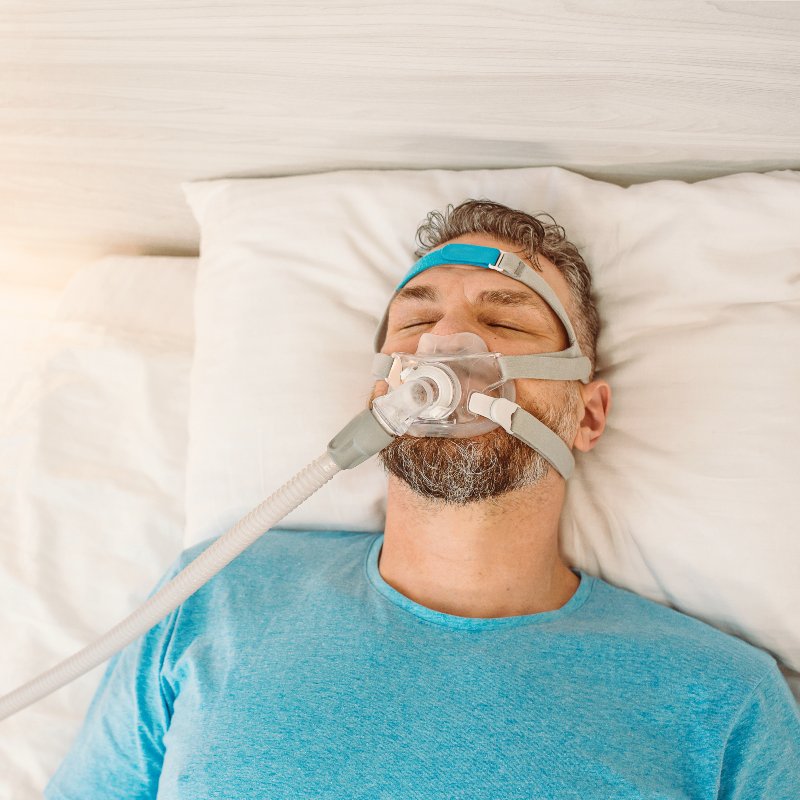
Once diagnosed, your doctor will discuss various treatments for sleep apnea based on the severity of your condition. Mild cases often respond well to lifestyle changes, such as losing weight, quitting smoking, or adjusting your sleeping position. Moderate to severe cases require active intervention. CPAP machines are a standard treatment for sleep apnea. These devices deliver air pressure through a mask to keep your upper airway passages open.
Oral Appliances and Sleep Apnea Devices
While CPAP machines are highly effective, many patients find them uncomfortable, noisy, or difficult to tolerate. This is where dental professionals provide a vital alternative. Dentists can design custom sleep apnea devices that sit comfortably in your mouth, much like a sports mouthguard or orthodontic retainer. These specialized oral appliances gently shift your lower jaw forward, preventing your throat muscles and tissues from collapsing into your airway during the night.
Benefits of Dental Treatment for Sleep Apnea
Choosing an oral appliance offers several distinct advantages. These custom-fitted devices are incredibly comfortable, making it easier to stick with your dental treatment plan. They are completely silent, allowing both you and your partner to sleep soundly without machine noise. Additionally, oral appliances are small, discreet, and highly portable, meaning you can easily pack them for travel without hauling around a bulky machine and cords.
Why Choose Us for Sleep Apnea Care
At Charles Town Smiles in Charles Town, WV, we believe everyone deserves a restful and restorative night of sleep. Our experienced team understands the profound impact sleep disorders have on your daily life. We specialize in providing custom-fitted oral appliances tailored to your unique anatomy. By combining advanced dental technology with compassionate care, we help our patients find comfortable, effective alternatives to traditional CPAP machines.
Take the First Step Toward Restful Sleep
Do not let chronic fatigue and poor sleep dictate your quality of life. Proper treatment can drastically improve your energy levels, mood, and long-term health. If you are experiencing symptoms of obstructive sleep apnea, reaching out for professional help is the best thing you can do for your body. Contact us today to schedule a consultation and learn how our custom oral appliances can help you reclaim your rest.
Frequently Asked Questions
To help you better understand obstructive sleep apnea and the innovative treatment options we offer, we have compiled a list of common questions we receive. The following should provide clarity on how custom oral appliances work, what to expect during your treatment journey, and how addressing sleep issues can transform your overall well-being.
Yes. Dentists trained in dental sleep medicine can provide custom-made oral appliances. These devices effectively manage mild to moderate obstructive sleep apnea by keeping your airway open throughout the night.
Many medical insurance plans cover oral appliances when prescribed to treat diagnosed obstructive sleep apnea. Our staff can help you understand your insurance benefits and your coverage options.
Though not everyone who snores has sleep apnea, loud and chronic snoring paired with pauses in breathing, gasping, or extreme daytime fatigue is a strong indicator. A formal sleep study is required to make an accurate diagnosis.